Bridal Accessories, Bridal Fashion, Bridal Gowns, Bridal Logistics, Bridal Services, wedding dress, Wedding Dress Guide, Wedding Fashion, Wedding Planning

How to Choose Your Wedding Day Perfume

Your wedding day perfume is more than just a scent—it’s an invisible accessory that can trigger powerful memories for years to come. When chosen thoughtfully, the right fragrance becomes a signature part of your bridal identity, just like your gown, shoes, or makeup. Selecting a fragrance that captures the romance and elegance of your big day adds a deeply personal touch to your overall wedding look. Match Your Scent to the Theme and Setting Think about your wedding’s theme and location when choosing a fragrance. Light floral and citrus-based perfumes are ideal for spring garden weddings, beach ceremonies, or daytime receptions. They create a fresh, romantic aura that feels natural and uplifting. For evening events or winter weddings, richer scents with notes of musk, amber, vanilla, or spice can add warmth and sophistication. Aligning your scent with the atmosphere ensures everything feels cohesive. Choose a Fragrance That Reflects You Don’t feel pressured to pick a trendy perfume. Your wedding fragrance should be a true reflection of your personality. Whether you lean toward woody, powdery, floral, or gourmand scents, choose something that makes you feel confident and radiant. If you already have a signature perfume, there’s no rule against wearing it—especially if it brings you joy and familiarity. Test and Layer Your Perfume Make sure to test your chosen fragrance ahead of time. Perfume interacts with your skin’s chemistry and may smell different than expected. Try wearing it during your dress fitting or makeup trial to see how it performs throughout the day. To increase longevity, consider layering with the matching body lotion or a light scented oil. This helps lock in the scent and ensures it lasts from “I do” to your last dance. Bonus Tip: Make It a Tradition Many brides continue to wear their wedding perfume on anniversaries or special occasions as a sweet reminder of their big day.Outbound link: Discover popular wedding perfumes at Sephora’s Bridal Fragrance Collection.

Bridal Fashion, Bridal Services, Macau Weddings, wedding dress, Wedding Fashion, Wedding Planning

Wedding Veil Guide: How to Choose the Right One

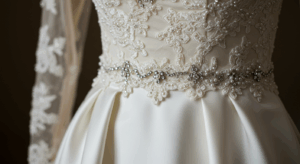
Finding the perfect veil is a key part of completing your bridal look. In this wedding veil guide, we’ll help you choose a veil that works with your gown style, hairstyle, and wedding vibe—so you feel confident, elegant, and photo-ready. 1. Veil Length and Dress Style Go Hand in Hand Start by matching your veil length to your wedding dress silhouette. Cathedral veils add elegance and drama to formal gowns, while fingertip and elbow-length styles offer a relaxed, romantic feel—ideal for garden or beach weddings. Let the shape of your dress guide your choice. 2. Let the Dress Details Lead the Way When selecting the perfect veil to complement your wedding gown, balance is key. If your gown is adorned with intricate lace, detailed beadwork, or bold embellishments, opting for a simpler veil can help create a harmonious look without overwhelming your overall appearance. A plain tulle veil or one with minimal edging allows your gown’s beautiful details to take center stage, ensuring that the ensemble feels cohesive and elegant. On the other hand, if your gown is more minimalist—such as a sleek satin dress or one with clean, understated lines—this opens the door to choosing a veil that adds a touch of drama and flair. Consider a veil with lace-edged trims, delicate beaded accents, or even subtle embroidery to introduce texture and visual interest. These intricate details can elevate the simplicity of your dress, creating a striking yet balanced contrast that ties your bridal look together beautifully. 3. Consider Your Hairstyle Updos support longer veils well, while loose curls pair beautifully with shorter options. Planning to wear a hair accessory? Test how your veil works with it during your fitting to avoid discomfort or imbalance. Bonus Tip: Bring the Veil to Your Fitting Trying your veil on with your dress and hairstyle in place helps ensure everything works together. It’s also the best time to fine-tune the placement and finalize your bridal look. Conclusion This wedding veil guide is designed to help you find the perfect match for your gown and style. Whether you go long and dramatic or short and modern, the right veil will complete your look and elevate your entire wedding day experience. Need guidance? Contact our bridal stylists or browse our full wedding accessories collection today.

Wedding Planning, wedding dress, Wedding Dress Guide, Wedding Fashion

Top Wedding Dress Fabrics and Their Benefits

When it comes to finding the perfect wedding gown, the fabric can be just as important as the design. The right material impacts how the dress moves, feels, and photographs. In this guide, we’ll explore the top wedding dress fabrics and what makes each one special—so you can choose the best option for your big day. Silk: Luxurious and Lightweight Silk is a timeless favorite known for its smooth texture, lightweight feel, and elegant drape. It’s breathable, making it perfect for both warm and cooler seasons. Brides often choose silk for formal weddings or when they want a soft, flowing silhouette that exudes luxury. Satin: Structured and Glossy Satin is one of the most popular wedding dress fabrics for a reason. It’s heavier than silk, has a beautiful glossy finish, and provides a structured shape that flatters most body types. Ideal for classic or black-tie weddings, satin gowns create a regal, polished look. Lace: Romantic and Vintage-Inspired Nothing says romance quite like lace. This delicate fabric adds charm and texture to any bridal gown. Whether used as an overlay or in full, lace is perfect for rustic, boho, or vintage-style weddings. Chantilly, Alençon, and guipure lace each offer unique looks. Tulle: Airy and Dreamy Tulle is a lightweight netting that adds volume without weight. Often used in ball gowns and veils, it creates a fairytale aesthetic that’s ideal for garden or romantic weddings. Layers of tulle bring drama to the skirt while maintaining breathability and comfort. Chiffon: Soft and Flowing If you’re planning a beach or destination wedding, chiffon is a fantastic choice. This light, sheer fabric flows beautifully in the breeze and provides effortless elegance. Its soft texture makes it incredibly comfortable for all-day wear. Organza: Crisp Yet Lightweight Organza blends the airy feel of chiffon with a stiffer structure, giving volume to skirts without too much weight. It’s a great option for brides who want structured gowns with a delicate touch. Perfect for spring weddings or layered designs. How to Choose the Best Fabric for You When choosing your fabric, consider your venue, theme, and comfort level. For hot climates, opt for lighter materials like chiffon or silk. For a dramatic entrance, go with satin or layered organza. And don’t forget to feel each fabric in person—you’ll know what feels right when you touch it. Conclusion: Fabric Matters More Than You Think Your wedding dress should be as comfortable as it is beautiful. Understanding the benefits of different bridal fabric types can help you find the gown that fits your vision and feels amazing. Whether you want soft and flowing or structured and chic, the right material makes all the difference. Still unsure which fabric suits your dream dress? Browse our Wedding Dress Guide or contact our stylists for personalized help.Related Post: Best Wedding Dress for Your Theme

wedding dress, Wedding Dress Guide, Wedding Fashion, Wedding Planning

Wedding Dress Fittings Everything You Need to Know

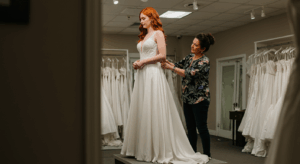
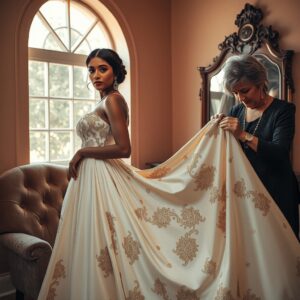
Choosing your dream dress is only the first step—wedding dress fittings are where the real magic happens. A properly fitted gown not only enhances your beauty but ensures total comfort from aisle to dance floor. In this post, we’ll walk you through why fittings matter, how many to plan for, and what to expect. Why Wedding Dress Fittings Matter 1. Perfect Fit for Your Unique Shape Even designer gowns aren’t one-size-fits-all. Bridal gown fittings tailor your dress to your body, emphasizing your best features and eliminating any awkward bunching, pinching, or dragging. Custom alterations are what transform a lovely dress into your dress. 2. Comfort and Confidence on Your Big Day From walking down the aisle to dancing the night away, your dress should move with you. Fittings allow for comfort tweaks in key areas like bust, waist, and hem—so you’re not fidgeting or adjusting all night. A gown that feels good boosts your confidence and lets you enjoy every moment. 3. Plan for Multiple Fittings Expect at least two to three wedding dress fittings. The first adjusts major areas, the second fine-tunes the fit, and the final fitting—typically 2–3 weeks before your wedding—ensures every detail is just right. Don’t skip the last one, especially if your body changes or you add accessories. Dress Fitting Tips for Brides Alterations vs. Redesign: Know the Difference Wedding dress alterations focus on fit—nipping the waist, shortening the hem, or adjusting straps. Redesigns, on the other hand, change the look entirely (like adding sleeves or changing the neckline). Make sure your seamstress offers the service you need. Conclusion: A Well-Fitted Gown Is Worth It Fittings aren’t just an extra step—they’re the key to feeling amazing in your gown. Whether you’re rocking a dramatic train or a simple sheath, wedding dress fittings ensure your dress feels as good as it looks. Need expert help? Browse our Wedding Dress Guide or Contact Us to get matched with a trusted bridal alterations expert.Related Post: Best Wedding Dress for Your Theme

Bridal Fashion, Bridal Gown Shipping, Bridal Services, Macau Weddings, Wedding Fashion, Wedding Planning

Wedding Shoes for Brides in Macau: Find the Perfect Pair

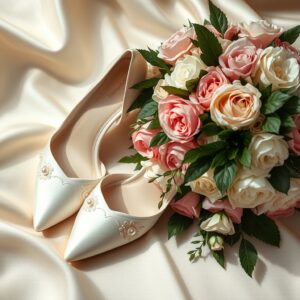
Planning your wedding look doesn’t end with the dress. Your wedding shoes play a key role in both style and comfort. Whether you’re attending a ballroom reception or a beach ceremony in Macau, picking the right wedding shoes for brides in Macau ensures you walk down the aisle with confidence—and dance all night long without sore feet. Why the Right Wedding Shoes Matter Choosing the right pair of wedding shoes isn’t just about looks—it’s about finding a balance between style and functionality that ensures you feel your best on your big day. A perfect fit doesn’t just complement your dress; it supports your posture, enhances your confidence, and ensures you can move gracefully and pain-free from the ceremony to the celebration. After all, your wedding day is filled with moments that require you to stand, walk, dance, and mingle, which means uncomfortable shoes can quickly turn into a distraction. That’s why many brides in Macau are now prioritizing comfort just as much as design when selecting their wedding footwear. They understand that a beautiful pair of shoes should feel as good as it looks, allowing them to fully enjoy every moment without worrying about sore feet or blisters. From luxurious heels with extra padding to chic flats and elegant sneakers, brides are embracing options that combine style and practicality, ensuring they can stride confidently down the aisle, pose for photos, and dance the night away. In Macau’s vibrant wedding scene, comfort and design are no longer competing priorities—they’re essential partners in creating a truly unforgettable day. Best Wedding Shoe Styles for Different Venues Indoor venues like hotels or banquet halls call for classic bridal heels, while outdoor weddings may require wedges or elegant flats. Think about the terrain and weather when making your decision. For a beach wedding in Coloane, for example, flat sandals or barefoot sandals might be the most practical option. Comfort Is Key If your dress is long, your shoes will be mostly hidden—so make comfort the priority. Look for cushioned insoles, supportive arches, or block heels that provide stability. You can also consider switching to a second, more comfortable pair during the reception for dancing. Coordinate with Your Dress Match your shoes to your gown’s tone and level of embellishment. Ivory, white, or champagne are traditional choices, but adding a pop of color that matches your bouquet, theme, or personality can be a bold and fun statement. Bonus Tip: Always break in your wedding shoes at least a week before the big day to avoid blisters, discomfort, or surprise pressure points. Click Here for: Expert Bridal Shoe Tips from Brides.com

Wedding Planning

Wedding Dress Alterations: What You Need to Know

Even the most stunning wedding gown usually needs a few tweaks before it fits just right. Whether you’re going for a dramatic ball gown or a sleek sheath dress, wedding dress alterations are essential to make sure you look and feel your best on your big day. Let’s walk through everything you need to know to make your bridal gown fit like a dream. When to Start Wedding Dress Alterations Timing is everything when it comes to alterations. Ideally, your first fitting should happen 8 to 10 weeks before your wedding. This allows enough time for necessary changes, follow-up fittings, and any last-minute adjustments. If your timeline is tighter, communicate clearly with your seamstress to prioritize urgent tweaks. Most Common Wedding Dress Alterations Some dresses need just a nip and tuck, while others require more extensive tailoring. Common alterations include adjusting the hemline, taking in or letting out the waist or bust, shortening straps, and adding a bustle to lift the train. These small changes can completely transform how your gown fits and flows. Every bride’s body is unique, so tailor the gown to highlight your best features. Always Bring Your Wedding Shoes Height matters. Be sure to bring your wedding shoes—or ones with a similar heel height—to every fitting. This ensures the hemline of your dress is tailored exactly to how you’ll look on the big day. Forgetting your shoes could lead to a dress that’s too long or awkwardly short. Wear Proper Undergarments What’s underneath matters as much as the dress itself. Bring the exact undergarments you’ll wear on the wedding day—whether that’s a strapless bra, shapewear, or a specific bodysuit. These details affect how the dress fits and can even change how alterations need to be made. Budget for Alteration Costs Don’t forget to factor alteration costs into your overall dress budget. Depending on the complexity of your gown and the number of changes needed, prices can range from minimal to several hundred dollars. Ask for a quote upfront so you’re not surprised later. Don’t Skip the Final Fitting Your final fitting, usually about two weeks before the wedding, is just as important as the first. This is your chance to make sure everything fits perfectly—especially if your body has changed slightly. Bring a trusted friend or family member for a second opinion and to learn how to manage bustles or buttons. Final Thoughts Wedding dress alterations are the secret to making your dream gown look custom-made. With proper planning, clear communication, and the right timeline, your dress will not only look beautiful—it will feel like it was made just for you. From the first fitting to the final touch, every adjustment brings you closer to that picture-perfect walk down the aisle.

Scroll to Top